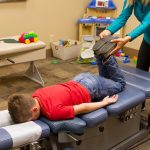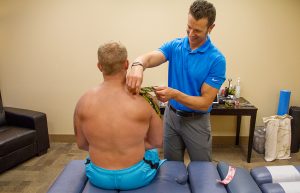
You’ve seen it on Olympic athletes — colorful strips of tape across a volleyball player’s shoulder, along a sprinter’s thigh, crisscrossing a gymnast’s back. Maybe you’ve seen weekend warriors wearing it at the gym, or a teammate showing up to practice with bright blue tape on their knee.
Kinesiology tape (commonly known by the brand name Kinesio Tex Tape, or “kinesio tape”) has moved from sports medicine clinics into mainstream awareness. But with popularity comes confusion, and a lot of questions about whether it actually works.
The short answer: yes, it can work — when it’s applied correctly, for the right conditions, by someone who understands its mechanisms. Here’s the complete picture.
What Is Kinesiology Tape?
Kinesiology tape is a thin, elastic therapeutic tape developed in the 1970s by Dr. Kenzo Kase, a Japanese-American chiropractor and acupuncturist. It was designed to mimic the mechanical properties of human skin — specifically its elasticity and weight — in order to support injured soft tissues without restricting movement.
This is what distinguishes kinesiology tape from traditional athletic tape (like white zinc oxide tape or rigid sports tape): traditional tape restricts movement to stabilize a joint; kinesiology tape supports tissue while allowing, and in some cases facilitating, normal movement.
The tape is applied to the skin with varying amounts of tension, in specific patterns, depending on the therapeutic goal. It can stay in place for two to five days, including through showering, swimming, and exercise.
The Mechanisms: What Is Kinesiology Tape Actually Doing?
Several mechanisms have been proposed and studied to explain kinesiology tape’s effects:
1. Skin Lifting and Fascial Decompression
The most well-supported mechanism is this: when applied with appropriate tension, kinesiology tape exerts a gentle lifting force on the skin. This microscopically increases the space between the skin and the underlying fascia and musculature, reducing pressure on pain receptors (nociceptors) and improving circulation of blood and lymphatic fluid in the superficial tissues.
This decompression effect reduces swelling, decreases local tissue pressure, and can provide meaningful pain relief — particularly in the acute phase of injury.
2. Sensory Input and Neurological Effects
The skin is the largest sensory organ in the body, densely packed with mechanoreceptors — sensory receptors that respond to pressure, stretch, and movement. Kinesiology tape provides continuous, gentle mechanical input to these receptors.
This sensory input has neurological effects: it can inhibit pain signal transmission (through the same gate-control mechanism by which rubbing a bumped elbow makes it feel better), and it can enhance proprioception, the sense of joint position and movement. Improved proprioceptive feedback helps the nervous system coordinate muscular activity more effectively, which has implications for both injury prevention and rehabilitation.
This is particularly relevant in the chiropractic context. Chiropractors understand that optimal athletic function depends not just on strength and flexibility but on the quality of sensory information the nervous system receives. Kinesiology tape, applied as part of a comprehensive care plan, can enhance proprioceptive input while the underlying structural issues are addressed through adjustment and rehabilitation.
3. Muscular Facilitation or Inhibition
Depending on the direction of tape application relative to muscle fiber orientation, kinesiology tape can either facilitate (mildly activate) or inhibit (reduce tone in) the target musculature. This is used clinically to support weak or underactive muscles, or to reduce tension and spasm in overactive ones.
4. Lymphatic Flow Support
Specific “fan-cut” and “web” taping patterns create channels in the skin that direct lymphatic fluid away from areas of congestion. This application is used in the management of edema (swelling) and is particularly well-studied in lymphedema treatment following cancer surgery.
What Conditions Does Kinesiology Tape Help?
Strong Clinical Evidence
- Lymphedema management — The lymphatic drainage application has the most robust research support, particularly for post-mastectomy upper extremity lymphedema.
- Acute musculoskeletal pain — Multiple studies document short-term pain reduction with kinesiology tape compared to sham taping or no treatment.
Good Clinical Evidence With Growing Research Support
- Plantar fasciitis — Specific taping patterns that unload the plantar fascia and support the arch show consistent benefit.
- Rotator cuff syndrome and shoulder impingement — Taping that supports scapular positioning and reduces superior humeral head migration can reduce pain and improve function.
- Patellofemoral pain syndrome (runner’s knee) — Taping patterns that address patellar tracking are widely used and clinically effective.
- Iliotibial (IT) band syndrome — Common in runners; taping can reduce lateral knee pain while rehabilitation addresses the underlying biomechanical contributors.
- Ankle sprains — Used in both acute management and proprioceptive rehabilitation after lateral ankle sprains.
- Lower back pain — Multiple patterns exist for lumbar support; evidence for pain reduction in acute low back pain is moderate.
Conditions Where Kinesiology Tape Plays a Supportive Role
- Neck pain (cervical muscle taping for upper trapezius tension)
- Shin splints (medial tibial stress syndrome)
- Tennis elbow and golfer’s elbow (lateral and medial epicondylitis)
- Postural support in children and adults with scoliosis or hyperkyphosis
- Post-surgical rehabilitation
What Kinesiology Tape Is NOT
Let’s address the limitations, because overstating the benefits of any therapy does patients a disservice.
Kinesiology tape is a supportive tool, not a cure. It addresses symptoms and provides temporary neurological and mechanical support. It does not correct the underlying structural or biomechanical problems that generated the injury. Used in isolation — without addressing the structural, muscular, and movement dysfunctions causing the problem — its benefits are short-lived and incomplete.
This is why at Cooper Chiropractic Center, kinesiology tape is one component of a comprehensive care plan, not the whole plan. We apply it in combination with spinal adjustment to restore structural alignment, soft tissue therapy to address muscle and fascial restrictions, and rehabilitative exercise to rebuild strength and movement patterns. In this context, kinesiology tape provides meaningful adjunctive value.
How It’s Applied: What to Expect
Kinesiology tape application is performed after a thorough assessment of your injury, your movement patterns, and the specific structures involved. The appropriate pattern, direction, and tension are determined based on your clinical presentation — not a generic recipe.
The skin should be clean and dry, and body hair may be reduced in the area if needed for adhesion. Application is typically painless and takes five to fifteen minutes depending on the complexity of the taping pattern.
You can wear kinesiology tape while showering, exercising, and sleeping. Most applications last three to five days. When removing it, peel it slowly in the direction of hair growth, using oil or warm water if needed to ease removal.
Some individuals experience skin sensitivity to the acrylic adhesive. If you have sensitive skin or a history of adhesive reactions, let us know before taping.
Beyond the Tape: The Chiropractic Difference in Sports Care
Chiropractic physicians provide a specialized skillset in sports injury evaluation, management, and rehabilitation that goes far beyond kinesiology taping:
- Biomechanical analysis of sport-specific movement
- Rehabilitation protocols for common sports injuries
- Nutrition for athletic performance and recovery
- Return-to-sport decision-making
- Concussion evaluation in the sports context
If you’re an athlete — at any level, from youth sports to masters competition — working with a chiropractor who brings this level of sports medicine training means getting care that understands your sport, your body, and your goals.
Ready to Move Better?
Whether you’re recovering from an injury, managing chronic pain, or trying to optimize your athletic performance, kinesiology tape — as part of a comprehensive chiropractic care plan — may be a valuable addition to your treatment.
Call Cooper Chiropractic Center in Vancouver, WA at 360-693-3030 to schedule an evaluation. We’ll assess your condition, explain our findings, and develop a plan — including taping where appropriate — that gets you moving better, faster.
References: Kase, K., Wallis, J., & Kase, T. (2003). Clinical Therapeutic Applications of the Kinesio Taping Method. Williams, S. et al. (2012). “Kinesio taping in treatment and prevention of sports injuries: a meta-analysis.” Sports Medicine. Kalron, A. & Bar-Sela, S. (2013). “A systematic review of the effectiveness of Kinesio Taping.” Disability and Rehabilitation. American Chiropractic Board of Sports Physicians (ACBSP): CCSP certification curriculum.