Most people don’t think of a chiropractor when they’re dealing with sinus congestion, sinus headaches, or chronic post-nasal drip. They reach for an antihistamine. They run a humidifier. They see their doctor for another prescription.
But what if the cause, or a significant contributing factor, is sitting in their cervical spine?
This isn’t fringe theory. The connection between spinal function and sinus health is rooted in anatomy, neurology, and a growing body of clinical experience. For some patients struggling with chronic or recurring sinus issues, chiropractic care has provided relief that years of medication could not.
Here’s why.
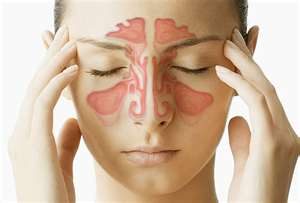
The Anatomy of the Connection
The sinuses are air-filled cavities in the skull — the frontal sinuses above the eyes, the maxillary sinuses in the cheekbones, the ethmoid sinuses between the eyes, and the sphenoid sinuses deeper in the skull. They produce mucus, filter air, and play a role in immune defense.
For the sinuses to function normally, three things need to happen:
- The mucociliary transport system — tiny hair-like cilia that move mucus toward drainage openings — must function properly.
- The drainage openings (ostia) must be unobstructed.
- The autonomic nervous system must appropriately regulate blood flow, secretion, and immune response in the sinus mucosa.
It’s that third point where the spine enters the picture.
The Autonomic Nervous System and Sinus Function
The autonomic nervous system — the division of the nervous system that controls involuntary functions — governs blood vessel diameter, mucus secretion, and immune activity in the nasal and sinus passages.
The parasympathetic nervous system (the “rest and digest” branch) stimulates mucus production and vascular engorgement in the nasal tissues. The sympathetic nervous system (the “fight or flight” branch) does the opposite — it constricts blood vessels and reduces secretion.
The balance between these two systems determines, in large part, how congested or clear your sinuses are at any given moment. And both systems have their origin in the central nervous system — specifically, in the brainstem and upper cervical spinal cord.
The upper cervical spine — the C0 (occiput), the C1 (atlas) and C2 (axis) vertebrae — sits directly adjacent to the lower brainstem, which contains the nuclei of the vagus nerve and other parasympathetic control centers. Subluxation or dysfunction at this level has the potential to alter autonomic balance, affecting sinus vascular tone, secretion rates, and drainage function.
The Upper Cervical Spine and Cranial Drainage
Beyond the autonomic connection, there is another mechanism: craniocervical mechanics.
The bones of the skull and upper cervical spine form a functional unit. The suboccipital musculature, the deep muscles connecting the base of the skull to the upper cervical vertebrae, plays a critical role in maintaining normal cranial bone movement. Some chiropractic traditions, including craniosacral therapy and specific chiropractic adjusting techniques, work directly with these cranial rhythms.
When upper cervical vertebrae are misaligned, the resulting muscle tension and altered mechanics can affect the drainage of cranial venous sinuses (not the air-filled sinuses, but the venous channels through which blood and interstitial fluid drain from the brain and cranial structures). This can create congestion and pressure patterns that are indistinguishable, to the patient, from sinusitis.
Additionally, tension in the muscles of the upper cervical spine and base of the skull can affect the eustachian tubes (relevant to ear fullness and pressure) and may influence the drainage dynamics of the paranasal sinuses via fascial and mechanical connections.
What the Clinical Picture Looks Like
Patients who present to our practice with sinus-related complaints that may have a chiropractic component typically describe some or all of the following:
- Chronic or recurrent sinus congestion that doesn’t fully respond to antihistamines, decongestants, or antibiotics
- Sinus pressure or pain, particularly behind the eyes or in the forehead, especially upon waking or with changes in head position
- Sinus headaches that are worse with neck stiffness or upper cervical tenderness
- Chronic post-nasal drip that has persisted despite addressing allergies
- A pattern of sinus symptoms that correlates with neck pain or stiffness
- History of head or neck trauma (car accident, fall, sports injury) that preceded the onset of sinus symptoms
Not every person with sinus problems has a spinal component. Some sinusitis is purely infectious, or purely allergic, or structural (a deviated septum, for example). We are clear with our patients about what chiropractic can and cannot address — and we coordinate with ENT physicians, allergists, and primary care providers when appropriate.
But in patients with the pattern described above, we frequently see significant improvement in sinus symptoms following upper cervical chiropractic care. This is consistent with the proposed neurological mechanisms — and with decades of clinical observation from chiropractors who have noted improvements in sinus-related conditions following spinal adjustment.
What Chiropractic Care Offers for Sinus Health
At Cooper Chiropractic Center, our approach to patients with sinus complaints includes:
Upper Cervical Evaluation and Adjustment
We carefully assess the C0, C1, and C2 segments and the suboccipital region for dysfunction and subluxation. Specific, gentle adjustments to the upper cervical spine can normalize autonomic balance and reduce mechanical tension affecting cranial drainage dynamics.
Thoracic and Costovertebral Adjustment
The thoracic spine and ribs house the sympathetic chain ganglia — the nerve clusters through which sympathetic nervous system signals travel to the head and neck. Thoracic dysfunction can alter sympathetic tone, contributing to nasal vascular congestion. Thoracic adjustments addressing this component are frequently part of our approach.
Soft Tissue Work for the Suboccipital Region
Release of the deep suboccipital muscles reduces mechanical tension at the base of the skull and may facilitate more normal cranial dynamics. This work is gentle, precise, and often provides immediate relief from the pressure and heaviness patients describe around their sinuses and forehead.
Lifestyle and Nutritional Support
Chronic sinus issues are often exacerbated by dietary inflammation, food sensitivities, inadequate hydration, and environmental factors. We discuss these contributors with our patients and make specific, evidence-informed recommendations — including strategies to support the mucociliary transport system and reduce systemic inflammatory load.
Referral When Indicated
If we identify a pattern suggesting structural obstruction (polyps, severe deviated septum), active bacterial sinusitis, or other conditions requiring medical or surgical management, we refer promptly. Good chiropractic care knows its scope, and knows when another provider is the right call.
What Patients Experience
The patients who respond best to chiropractic care for sinus issues typically describe a gradual but meaningful improvement over the course of weeks: reduction in the frequency and severity of sinus pressure episodes, improved drainage, less reliance on decongestants, and sometimes complete resolution of chronic congestion that had persisted for months or years.
These outcomes are not universal — we’re honest about that. But they are consistent enough, and supported sufficiently by the underlying neuroscience, that a trial of chiropractic care is a reasonable approach for any patient with chronic sinus issues who hasn’t found lasting relief through conventional means.
A Different Lens on an Old Problem
The sinus-spine connection is an example of a broader principle in chiropractic: that the nervous system is the master regulator of virtually every body system, and that spinal health therefore affects far more than just back pain. This principle — which aligns with the Syntropy framework’s understanding of the body as a self-regulating, integrating system that moves toward health when neurological interference is removed — explains why chiropractors regularly encounter patients who come in for neck pain and report that their chronic headaches have resolved, their digestion has improved, or their sinus symptoms have cleared.
The body is not a collection of independent parts. It is an integrated system, coordinated by the nervous system. Care for the spine is care for the whole system.
Struggling with Sinus Problems? Let’s Look Deeper.
If chronic sinus congestion, pressure, or headaches are affecting your quality of life, we encourage you to explore whether there is a spinal component worth addressing. You may be surprised by what we find.
Call Cooper Chiropractic Center in Vancouver, WA at 360-693-3030. We’ll take a comprehensive look at your health history, examine your cervical and thoracic spine, and give you an honest assessment of whether chiropractic care is likely to help — and what to expect if it does.
References: Bachman, T.R. & Lantz, C.A. (1991). “Management of pediatric asthma and enuresis with probable traumatic etiology.” Proceedings of the National Conference on Chiropractic and Pediatrics. Boal, R.W. & Gillette, R.G. (2004). “Central neuronal plasticity, low back pain and spinal manipulative therapy.” Journal of Manipulative and Physiological Therapeutics. Leach, R.A. (2004). The Chiropractic Theories (4th ed.). Lippincott Williams & Wilkins. Budgell, B.S. (2000). “Reflex effects of subluxation: the autonomic nervous system.” Journal of Manipulative and Physiological Therapeutics.